

 DE
DE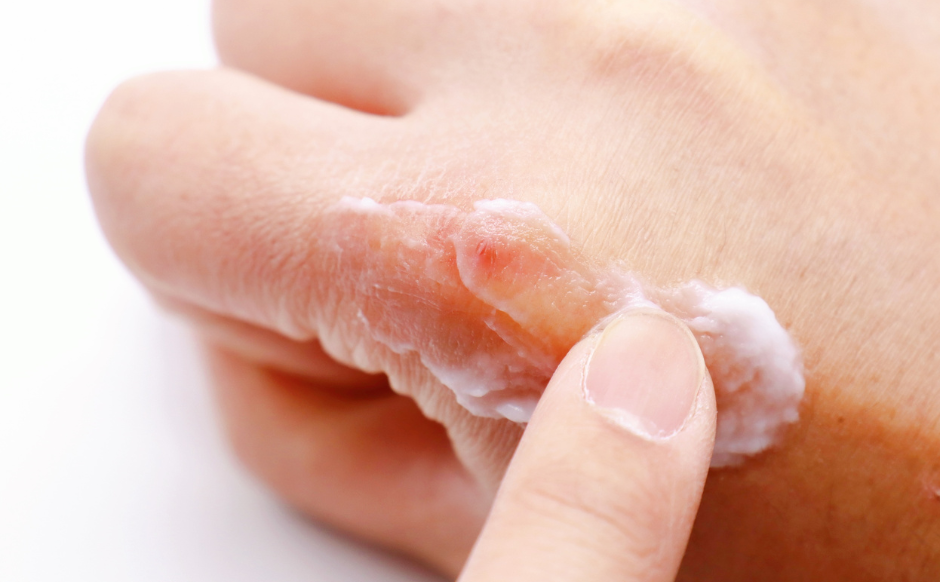
The central role of the skin barrier and what dry skin truly needs
Dry skin is one of the most common dermatological concerns. For some, it manifests as a feeling of tightness or mild flaking; for others, it is accompanied by pronounced sensitivity, itching, redness, or inflammatory reactions.
In practice, many people instinctively reach for a moisturizing cream. However, a recurring pattern often appears: the skin feels more comfortable in the short term, but quickly loses its softness and comfort again.
The reason lies in a fundamental misunderstanding. Dry skin is not solely a lack of water. Rather, it is a structural imbalance in which the function of the skin barrier plays a crucial role. If it is weakened, even high-quality moisturizers cannot deliver lasting results.
The skin barrier: the foundation of healthy skin
The skin is a highly complex organ with a clearly defined protective function. The outermost layer of the skin, known as the stratum corneum, plays a central role in this process.
It regulates:
- protection against excessive water loss
- defense against external influences such as cold, UV radiation, and environmental stressors
- protection against microorganisms
- maintenance of the skin’s natural balance
Structurally, the stratum corneum is often compared to a brick wall:
The dead skin cells (corneocytes) form the “bricks,” while a lipid matrix made up of ceramides, free fatty acids, and cholesterol acts as the “mortar.”
Structurally, the stratum corneum is often compared to a brick wall:
The dead skin cells (corneocytes) form the “bricks,” while a lipid matrix made up of ceramides, free fatty acids, and cholesterol acts as the “mortar.”
If this structure is impaired, water evaporates more quickly, the skin becomes rough, feels tight, and reacts more sensitively to external stimuli.
Dry skin or dehydrated skin: an important distinction
In cosmetic consultations, these terms are often used interchangeably, which is not technically correct.
- Dehydrated skin describes a condition in which the skin lacks water. This can occur with any skin type, including oily or combination skin.
- Dry skin is a skin type. It naturally produces fewer skin lipids, often has an altered lipid composition, and has a structurally weaker barrier. As a result, it is permanently prone to increased water loss.
This distinction is crucial when choosing the right skincare. While dehydrated skin primarily benefits from water-binding substances, dry skin additionally requires targeted lipid support.
Why pure moisturizing care is not enough
Many skincare products rely on moisture-binding ingredients such as glycerin or hyaluronic acid. These so-called humectants attract water and temporarily increase the skin’s moisture content.
However, without a stable lipid structure, this effect does not last.
If the “mortar” between the skin cells is missing, the supplied moisture quickly evaporates again. The skin may initially feel well hydrated, but it soon returns to its original condition.
In addition, very light gel textures or highly water-based formulations often contain only small amounts of skin-identical lipids. They provide a fresh skin feel but contribute little to repairing the skin barrier.
The skin is not a sponge that can simply be filled with water at will. It requires an intact structure to retain moisture over the long term.
The three pillars of effective care for dry skin
Sustainable improvement of dry skin is based on the interplay of three components:
- Moisture supply
Moisture-binding ingredients increase the skin’s water content. These include, among others:
- Glycerin
- Hyaluronic acid
- Aloe Vera
- Panthenol
- Betaine
They help ensure that the skin is supplied with moisture.
- Lipid supply
This step is essential for dry skin. Lipids support the rebuilding of the skin barrier and reduce water loss.
Key components include:
- Ceramides
- Shea butter
- Plant-based oils
- Squalane
- Fatty acids
They fill the spaces between skin cells, stabilize the structure, and strengthen the skin’s resilience.
- Protection through occlusive components
Occlusive ingredients form a protective layer on the skin’s surface. They prevent moisture from evaporating freely and are especially important in cold or dry air conditions.
Suitable options include, for example:
- Natural waxes
- Rich oils
- Balm-like textures
This protection is especially crucial in cold weather, wind, and dry air.
Common skincare mistakes for dry skin
Overly aggressive cleansing
Highly foaming cleansers, sulfates, or frequent exfoliation remove the skin’s natural lipids.
Hot water
Long, hot showers or baths disrupt the skin’s lipid structure and increase moisture loss.
Incorrect timing
Skincare products should ideally be applied to slightly damp skin to help lock in moisture more effectively.
Irritating ingredients
Alcohol, fragrances, or menthol can further weaken the skin barrier.
Conscious skincare as a long-term strategy
The goal of a well-designed skincare routine for dry skin is not short-term symptom relief, but the long-term stabilization of the skin’s structure.
It is about supporting the skin’s natural functions, not disrupting its regenerative processes, and gradually strengthening the barrier.
Fewer product changes and consistent, barrier-focused formulations lead to better long-term results than constantly trying new moisturizers.
Conclusion
Dry skin is not merely a cosmetic moisture deficiency. It is a sign of a weakened skin barrier and insufficient lipid supply.
Pure moisturizing care can relieve symptoms in the short term, but it does not replace the structural rebuilding of the skin.
An effective skincare routine is based on:
- targeted moisture supply
- adequate lipid supply
- a protective occlusive component
Only when these three factors are in balance does the skin become not only softer and smoother, but also more resilient and stable in the long term.
Frequently asked questions about dry skin and the skin barrier
Is hyaluronic acid enough for dry skin?
No. Hyaluronic acid can bind water, but it does not replace lipids. Without additional lipid or occlusive components, the effect is usually only temporary.
How can I recognize a compromised skin barrier?
Typical signs include tightness, increased sensitivity, burning sensations when applying products, redness, or heightened reactions to temperature changes.
Are oils better than moisturizers?
Oils can reduce water loss, but they generally do not contain water-binding substances. A combination of moisture, lipids, and occlusion is usually more effective than relying on a single product type.
How long does it take to repair the skin barrier?
With consistent, low-irritation skincare, the barrier can stabilize within two to six weeks. In cases of chronically dry or severely damaged skin, the process may take longer.
Should exfoliation be used on dry skin?
Mechanical exfoliants with granular particles are generally unsuitable for dry skin, as they can further irritate an already weakened skin barrier. Very mild, low-dose chemical exfoliants may be appropriate in certain cases, but they should be used sparingly.
The world of cosmetics
Would you like to receive news about cosmetics by e-mail once a quarter?