

 DE
DE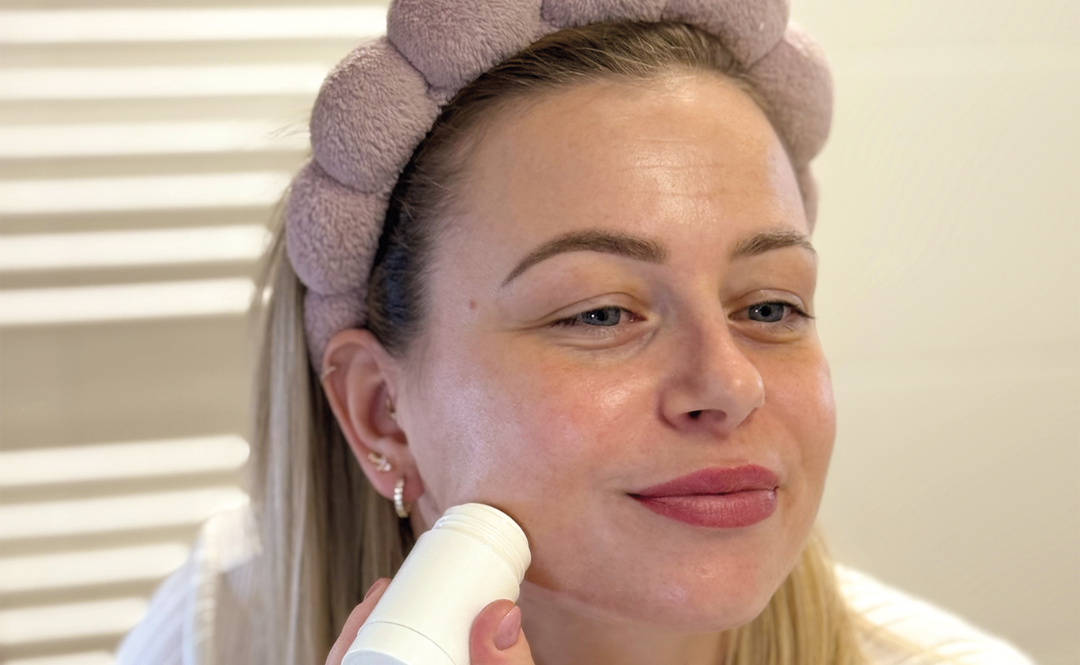
Sensitive, irritated skin is not a classic skin type, but usually a temporary condition. The skin reacts more strongly than usual, feels quickly overwhelmed, and shows symptoms such as burning, tightness, or redness.
It is noticeable that sensitive skin often appears precisely when skincare is intensified. New active ingredients, more frequent cleansing, additional exfoliation, or regular shaving can lead to the skin having to process more stimuli than it can currently compensate for.
What is crucial here is a fundamental misunderstanding: In most cases, sensitive skin does not develop due to too little care, but because of too many simultaneous stimuli. Once the skin barrier becomes imbalanced, even well-intentioned skincare can trigger additional stress.
How can you recognize sensitive, irritated skin?
Typical signs are:
- Burning or stinging when using products that were previously well tolerated
- Redness, a feeling of heat, flushing
- A feeling of tightness, dryness, flaking
- Itching, a rough skin texture
- Small inflamed or irritated areas
- The feeling that even water, wind, or touch are too much
A brief tingling sensation can occur with certain active ingredients. However, persistent burning is usually a warning signal, not a sign of effectiveness.
Common causes of sensitive skin
- Too many products and active ingredients
Many skincare routines shift from supportive to overwhelming – especially when multiple active ingredients are combined without giving the skin sufficient time to regenerate.
Typical triggers:
- Frequent use of AHA or BHA
- Combination of retinoids and acids
- Mechanical exfoliation in addition to chemical exfoliation
- Constant product changes
- Excessive or aggressive cleansing
Strongly foaming cleansers, alcohol-based toners, very frequent washing, or hot water can reduce the skin’s natural lipids. The skin loses moisture more quickly and becomes more reactive.
- Shaving and mechanical stress
Shaving always involves friction and micro-injuries. Fragrances in shaving products or aftershaves can further intensify irritation. Masks, scarves, or tight clothing can also put additional strain on sensitive skin.
- Environmental factors and stress
Cold weather, wind, dry air, UV radiation, air pollution, hard water, and psychological stress have a direct impact on the skin barrier.
What happens in the skin during this process?
If the skin barrier is weakened, transepidal water loss (TEWL) increases. The skin dries out more quickly and at the same time becomes more permeable to irritants. That is why sensitive skin conditions often react paradoxically: dry, yet simultaneously irritated.
Immediate strategy for sensitive skin – 7 to 14 days of rest
When the skin is irritated, the goal should not be optimization, but stabilization.
- Pause active ingredients
For at least one week:
- Acids and exfoliants
- Retinoids
- Strong vitamin C products
- New or changing products
This is not a setback, but repair.
- Gentle cleansing
- In the evening: mild cleansing, no unnecessary double cleansing
- In the morning: lukewarm water is often sufficient
- No hot water, no rubbing
- Minimalist basic skincare
- Gentle cleansing
- Simple, well-tolerated moisturizer
- During the day, sunscreen if tolerated
Soothe specifically instead of treating everything at once
If only certain areas of the skin are irritated, targeted care is often more effective than applying multiple layers across the entire face.
Zinc as a calm, mineral helper
Zinc has long been used for its soothing and inflammation-modulating properties. In its mineral form, it can also provide a light protective function on the skin’s surface.
In practice, this can mean, for example:
A fragrance-free, mineral Face Zinc Stick can be applied in the evening after cleansing directly to irritated areas – such as blemishes, after shaving, or even more generously as a soothing night treatment. The focus is not on active correction, but on protection and calming, allowing the skin to regain its balance.
As with any new skincare product: test on a small area first and do not introduce multiple new steps at the same time.
Typical mistakes with sensitive skin
“If it burns, it’s working”
A common myth. Burning is usually a sign of overload.
Reintroducing products too quickly
Even if the skin feels better quickly, it is often not yet stable.
Overly complex routines
Sensitive skin usually benefits from clarity and reduction.
Shaving with sensitive skin – what to pay attention to?
With sensitive skin, shaving should be designed to be as low-irritation as possible. Warm water beforehand improves glide, and mild, fragrance-free products help reduce additional irritation. Pressure should be avoided, and after shaving it is advisable to skip active ingredients and instead focus on targeted soothing.
Returning to active ingredients
Once the skin has been stable for at least seven to fourteen days, active ingredients can be gradually reintroduced. The rule is: only one active ingredient at a time, low frequency, and deliberate rest days. If the skin reacts again, reducing the routine is not a failure, but a sensible response.
Conclusion
Sensitive skin is often the result of too much at once: too many products, too many active ingredients, too little regeneration.
The path back to balance usually leads through rest, reduction, and targeted protection of the skin barrier. Fragrance-free, mineral skincare – for example with zinc in stick form – can be a meaningful addition, especially when the goal is not to stimulate the skin, but to consciously soothe it.
The world of cosmetics
Would you like to receive news about cosmetics by e-mail once a quarter?